
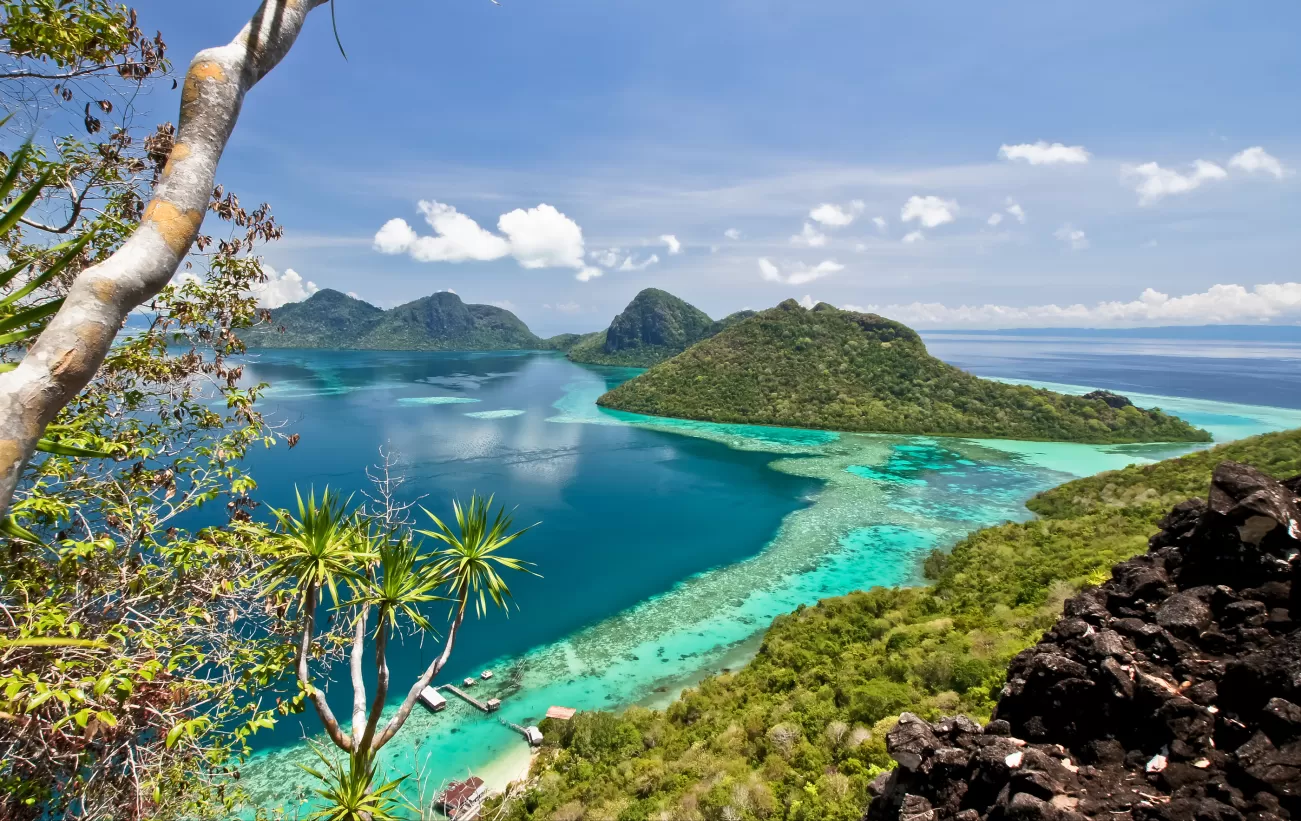
Komodo National Park is a protected area in eastern Indonesia, just off the west coast of Flores Island.
It was established in 1980 to protect the endangered Komodo dragon. In 1991, it was recognised as a UNESCO World Heritage Site for its wildlife and marine biodiversity. The park is regarded as one of the best nature destinations in the world.
This guide covers the key information needed to plan a visit to Komodo National Park. By the end, you will understand the kind of experience the park offers and whether it suits your travel style.
What Makes Komodo National Park Unique
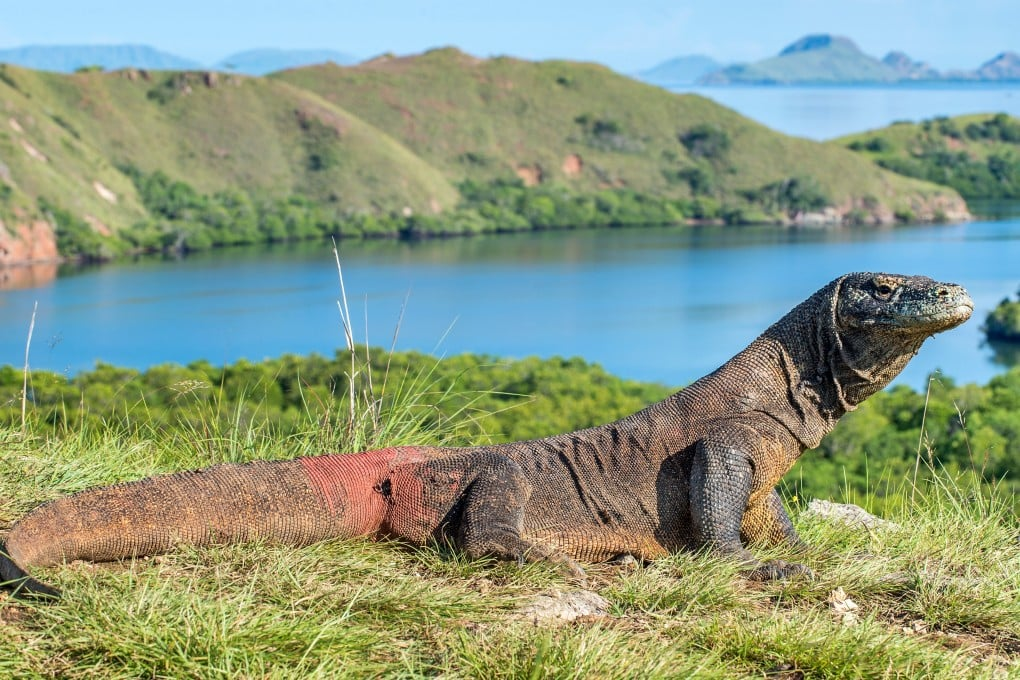
- Komodo National Park is the only place in the world where Komodo dragons, the world’s largest lizards, live in the wild. When you see them here, the encounter feels real and tightly controlled. Nothing is staged.
- You explore Komodo as a chain of islands, including Komodo, Rinca and Padar. Each day looks different. The scenery changes as you move through the park.
- The park protects both land and sea. A large part of the experience happens in the water. Your time shifts between island walks and time spent swimming or snorkelling.
- Currents here are strong and constant. Snorkelling and diving feel active rather than calm.
- Distances between islands are larger than they appear on a map. Travel time becomes part of the experience, not just a transfer.
- Development inside the park is limited. There are no towns or resorts within the protected area. You spend most of your time surrounded by nature, not buildings or crowds.
Things to Do in Komodo National Park
1] See the Komodo Dragons in the Wild
Park rangers lead all Komodo dragon visits on Komodo and Rinca islands. The park runs these visits in a structured way. Rangers control movement and distance at all times.
The guided walks follow fixed routes. You need to follow their instructions closely.
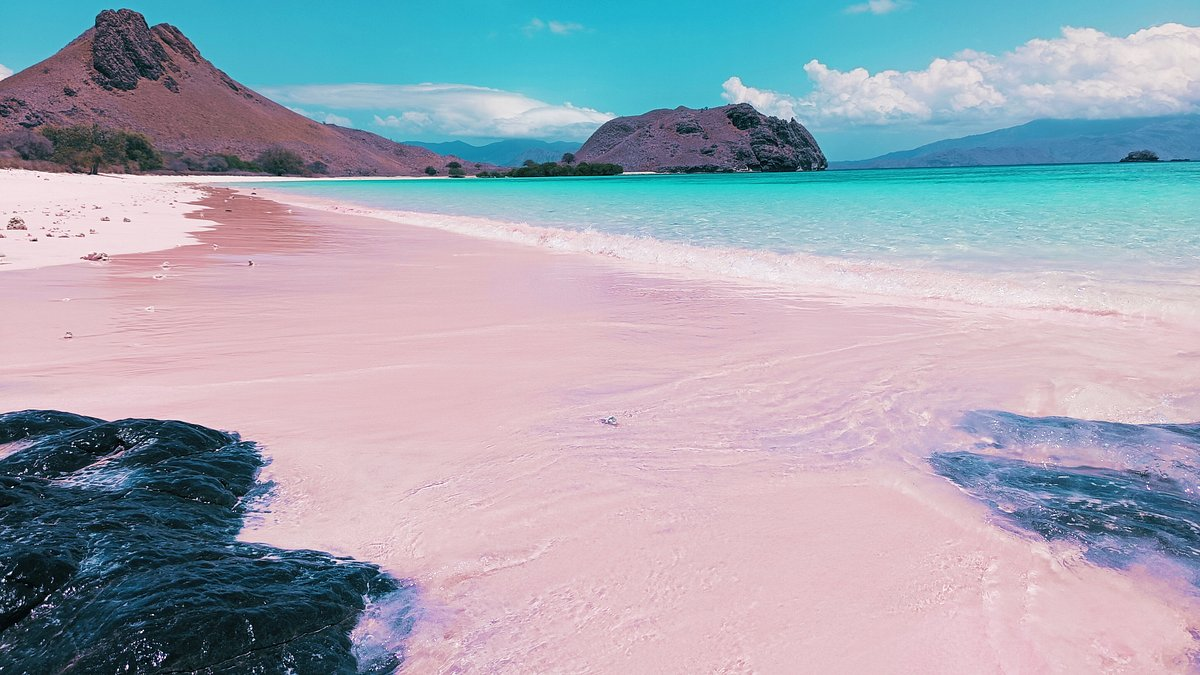
2] Visit the Pink Beach
Pink Beach is one of the few pink sand beaches in the world. It appears on many Komodo National Park routes as a brief stop between islands.
Boats anchor offshore, and visitors go ashore for a brief walk, swim, or snorkel. The sand appears lightly pink due to crushed coral mixed with white sand. Light and tide affect how visible the colour appears.
3] Spot Wildlife Beyond Komodo Dragons
Komodo National Park is home to unique and endemic wildlife. Visitors often see Timor deer, wild boars, crab-eating macaques, orange-footed scrubfowl, noisy friarbirds, eagles, and kingfishers while moving between islands or during guided walks. These sightings happen naturally.
Animals move freely across the islands. Rangers do not schedule visits around wildlife activity. Encounters are occasional and depend on timing and location.
4] Hike Up Padar Island
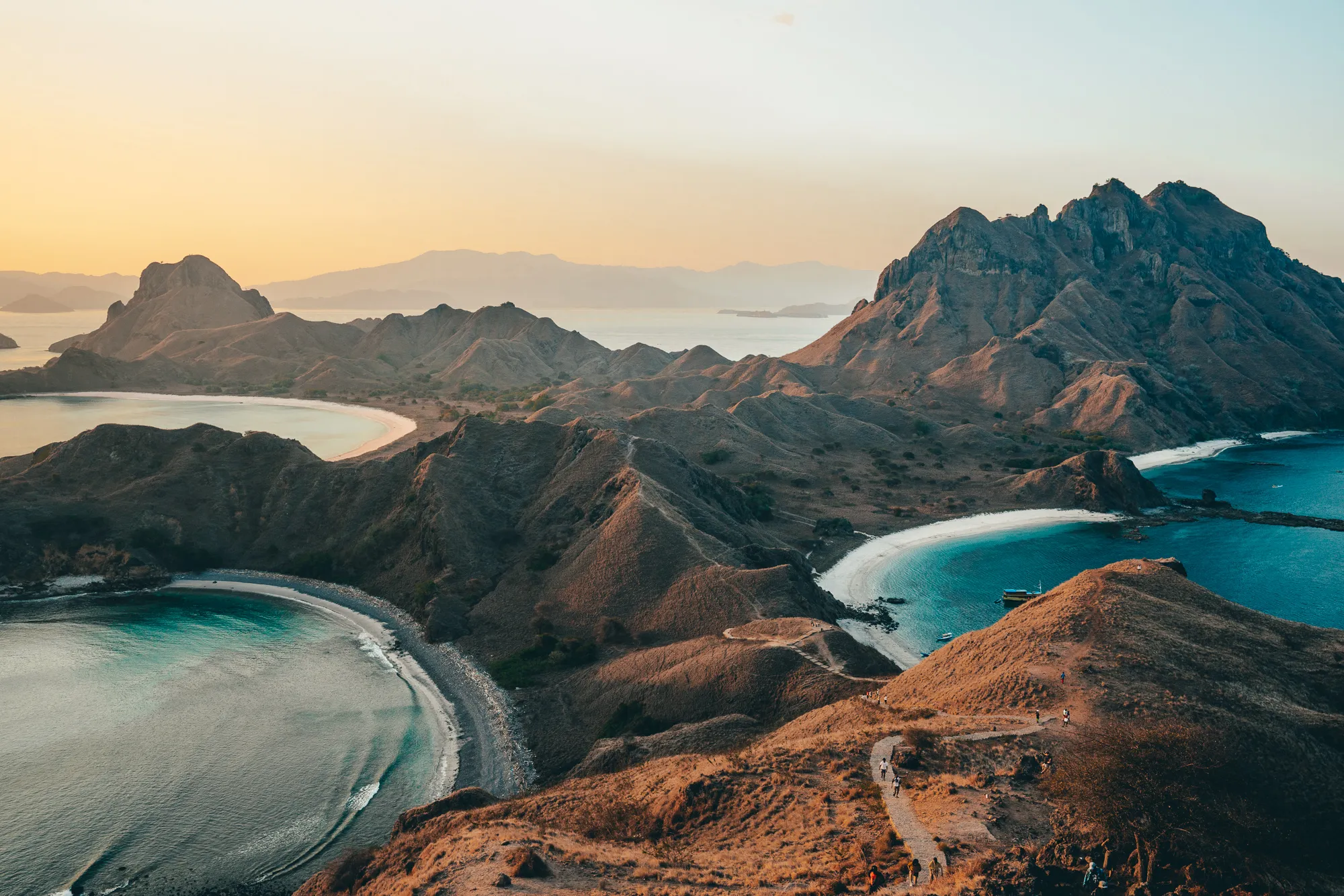
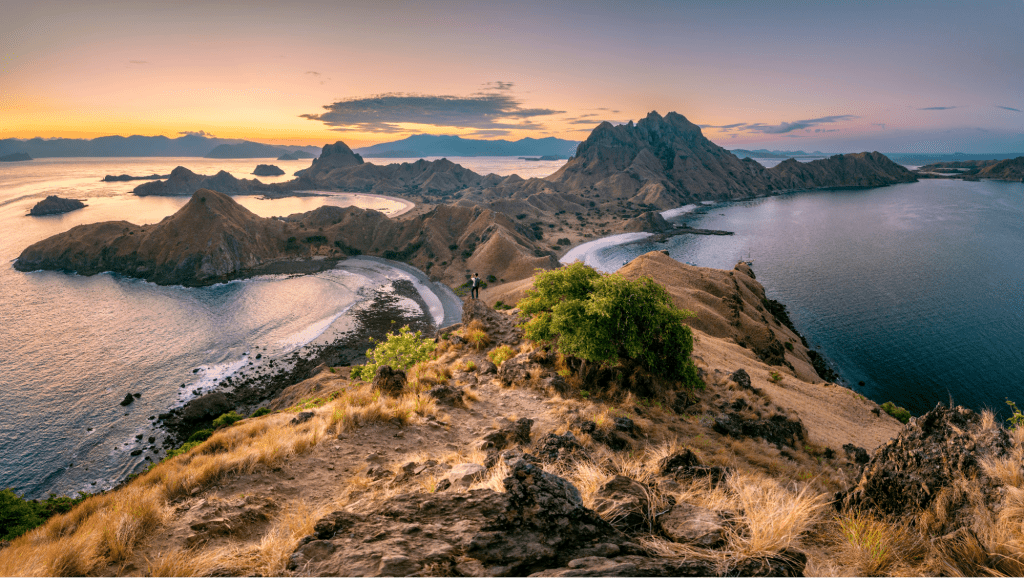
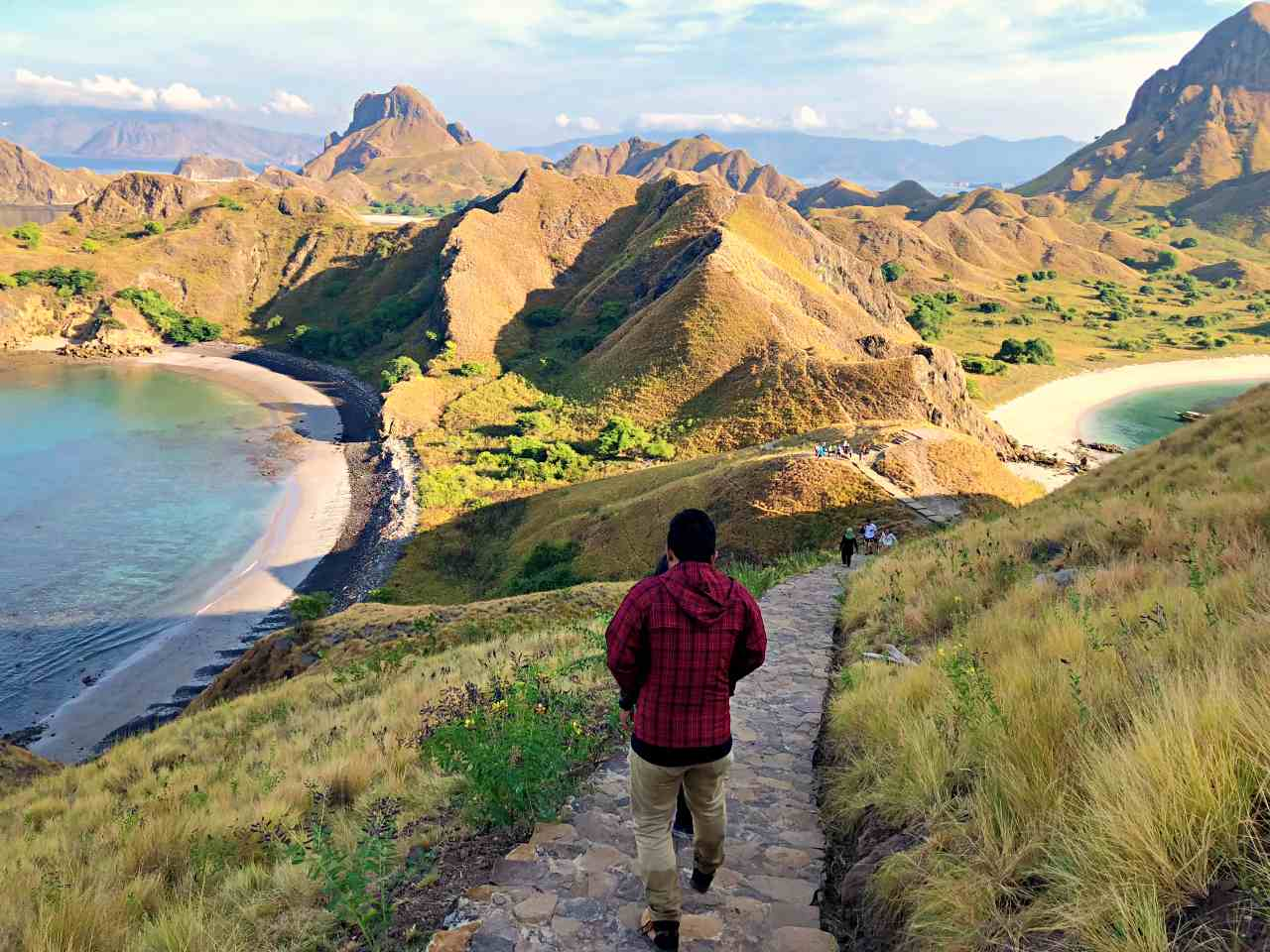
The Padar Island hike leads to a viewpoint where three bays sit side by side. From the top, you can see white, dark, and pale pink shorelines in one view. Few viewpoints in the region offer this kind of contrast in a single frame.
Visitors follow a marked trail to the top. The trail has a cobblestone/hewn stone path and little shade. The walk is short but steep. Most hikes take place early in the day or later in the afternoon.
5] Snorkel in Komodo National Park
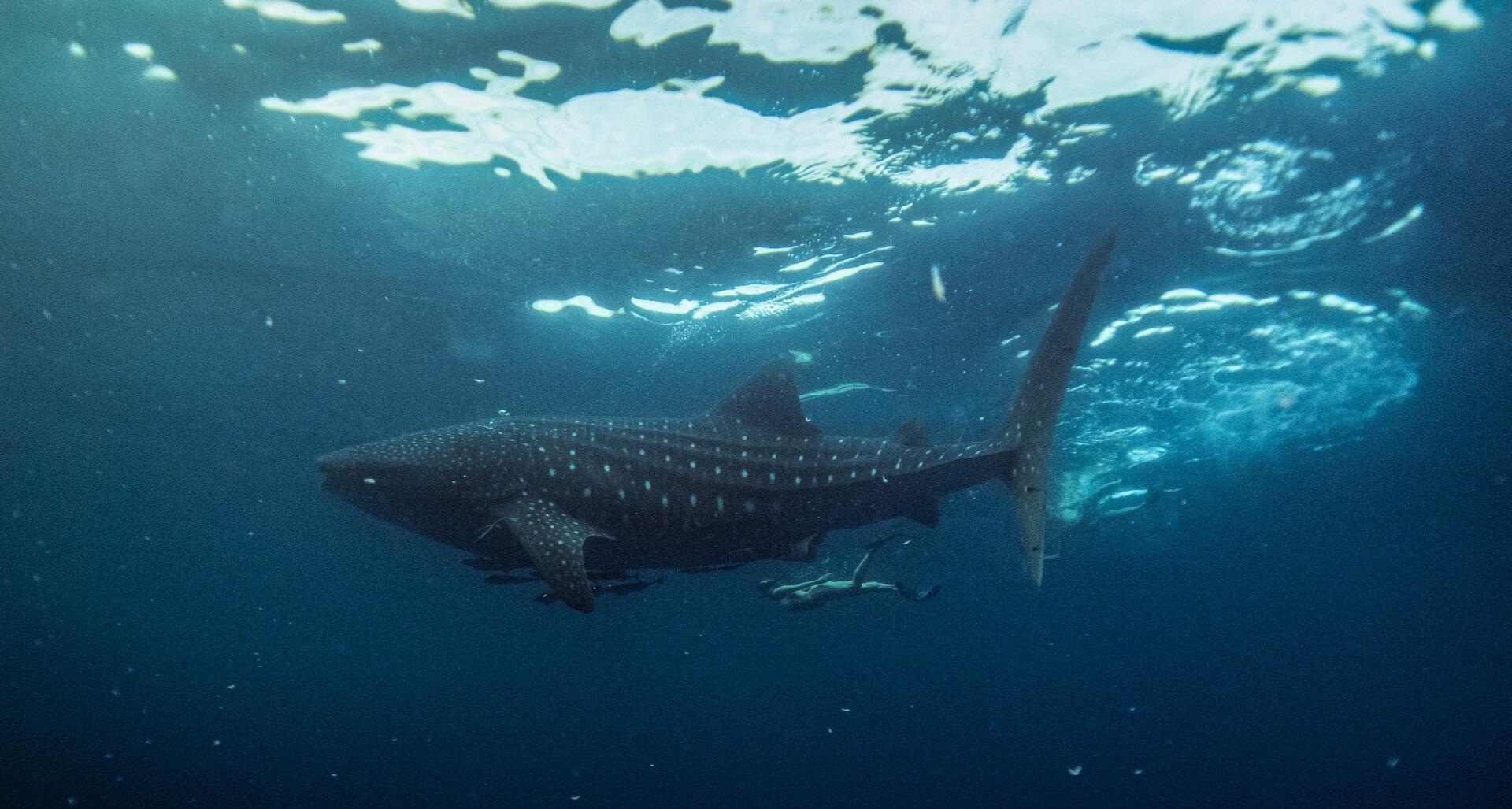
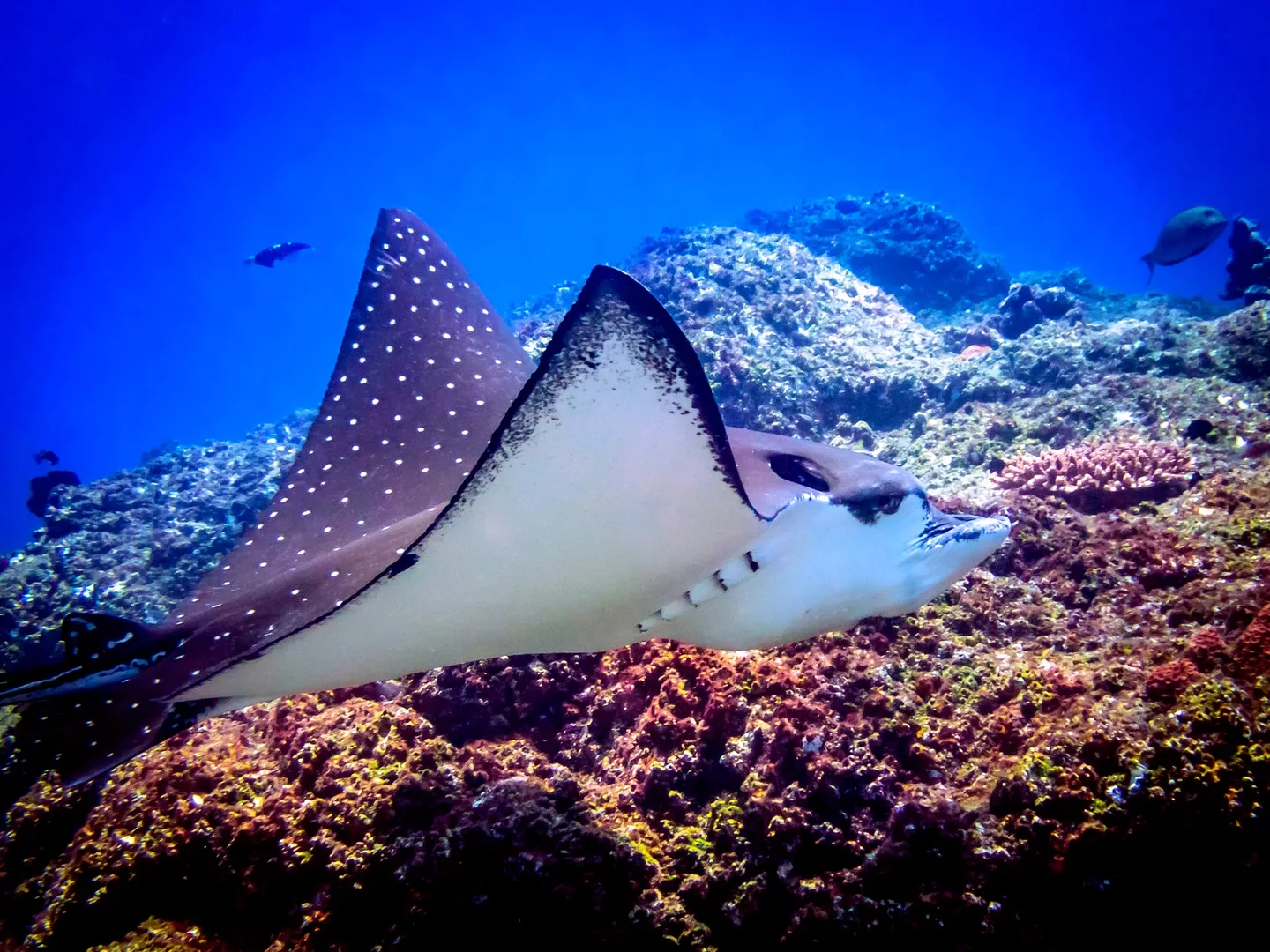
Snorkelling takes place from boats at selected sites inside the park, including areas near Kanawa Island and Manta Point. Crews choose locations based on current strength and visibility on the day.
Water movement here is strong. Snorkelling feels active rather than relaxed. Strong swimmers enjoy it more, and timing matters more than duration. Guides stay close at all times.
6] Dive in Komodo National Park
Diving in Komodo National Park requires experience. Strong currents and changing conditions shape most dive sites. Operators select locations based on conditions on the day. Guides plan entries and exits carefully.
Currents can be strong and change direction. Dives feel dynamic rather than calm. Timing and skill matter more than depth. Divers who follow briefings closely enjoy safer and more controlled dives.
7] Watch the Sunset at Kalong Island
At Kalong Island, visitors watch the sunset from the boat while thousands of fruit bats leave the island at dusk. The experience happens offshore, without going on land.
The bats fly out in long streams toward nearby islands. Their movement fills the sky as the light fades. The scale of the flight sets this apart from a typical sunset stop.
8] Charter a Private Luxury Yacht
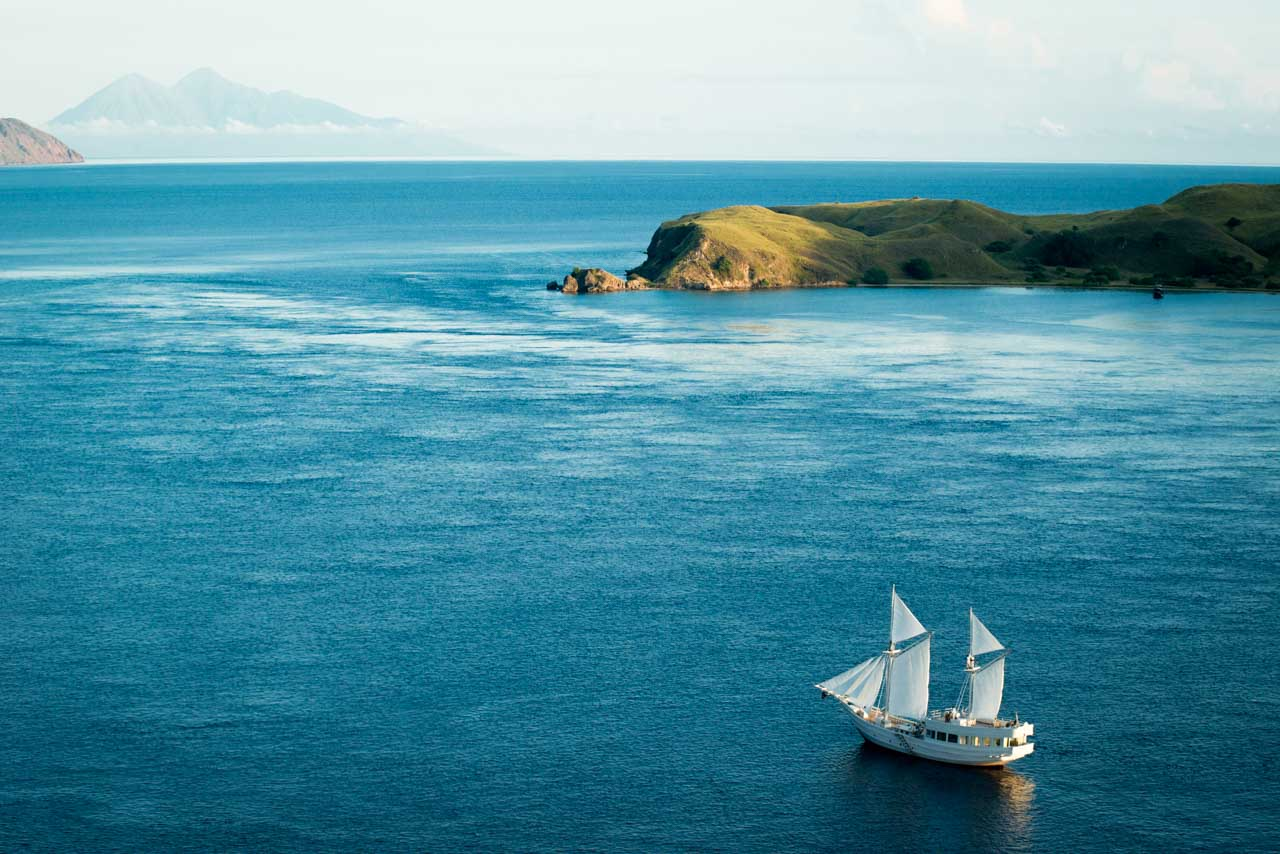
For many people, visiting Komodo National Park is a once in a lifetime experience. Visiting the islands with a Komodo luxury yacht charter company is the perfect way to add privacy, flexibility and comfort to the trip.
A private luxury yacht in Komodo gives you complete privacy, flexible itineraries, and a higher level of service compared to a shared cruise. You are not tied to group schedules or crowded spaces. The experience is more exclusive and luxurious, making it ideal for travellers who value comfort.

Essential Tips for Visiting Komodo National Park
- Always stay with your park ranger during land visits.
- Follow the ranger’s instructions when taking photos of wildlife. Flash and close positioning are not allowed during dragon encounters.
- Keep a safe distance from all wildlife, especially Komodo dragons. Avoid sudden movements and loud noises around them.
- Wear lightweight, breathable clothes. Long sleeves and trousers help protect you from the sun. They also help with insects during land walks.
- Avoid bright colours and strong perfumes. Strong smells attract insects. Bright colours make movement more noticeable.
- Wear sturdy shoes or sandals with a good grip. Main paths are stone-paved, but secondary trails are dry, uneven, and loose.
- Swim or snorkel only in areas approved by your guide. Currents can change quickly.
- Do not touch coral or marine life while swimming or snorkelling. Even brief contact damages coral and marine life permanently.
- Pack reef-safe sunscreen, insect repellent, a hat, swimwear, and a towel in a waterproof bag.
- Carry medication and a basic first-aid kit. There are limited medical facilities inside the park.
- Drink water regularly. Take breaks when possible. Heat builds quickly during land walks.
- Carry motion sickness medication if you are sensitive to boat movement. Sea conditions can change quickly between islands.
- Take all trash back with you. There are no waste facilities on most islands.
- While the main entry permits are paid digitally via the app, carry cash for local village contributions or small souvenirs on Rinca Island.
- Plan island visits for early morning when possible. Temperatures are lower, and wildlife is more active.
- Save maps and emergency contacts offline. Mobile signals are weak or unavailable in many areas.
Explore Komodo National Park With Alexa Private Cruises
Komodo National Park spreads across islands and the open sea. Boat travel is the most practical way to explore it. Yacht cruising reduces daily transfers. It allows flexible timing around tides, weather, and wildlife activity.
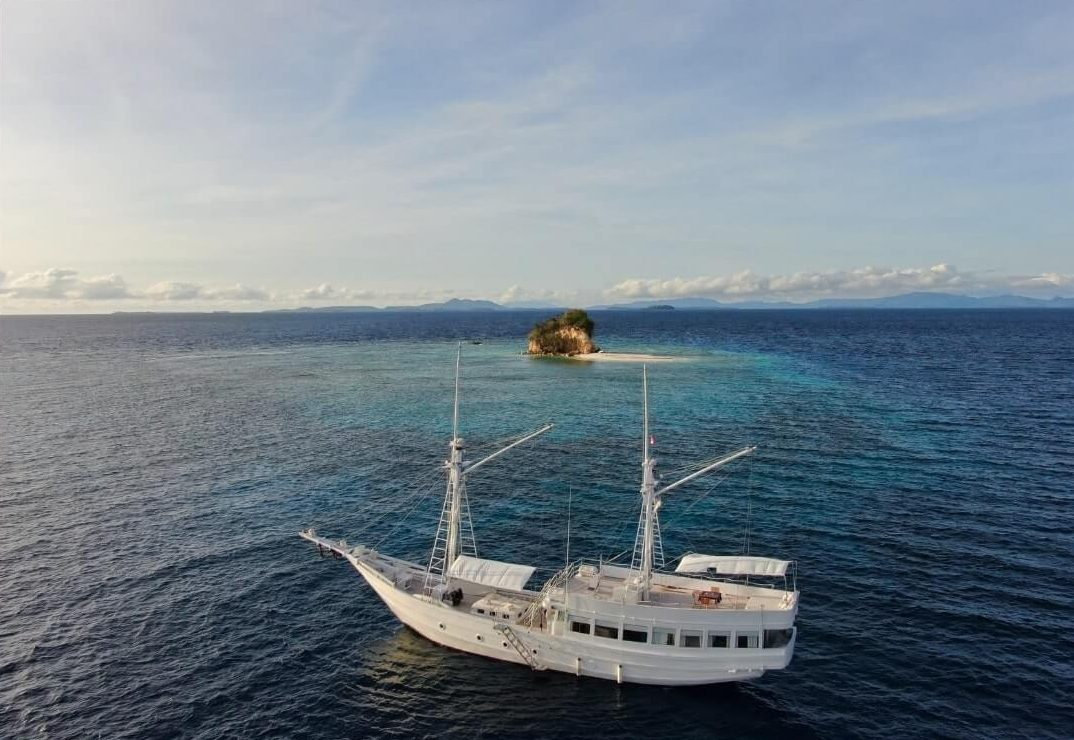
ALEXA Private Cruises operates a single-cabin sailing experience designed for just two guests.
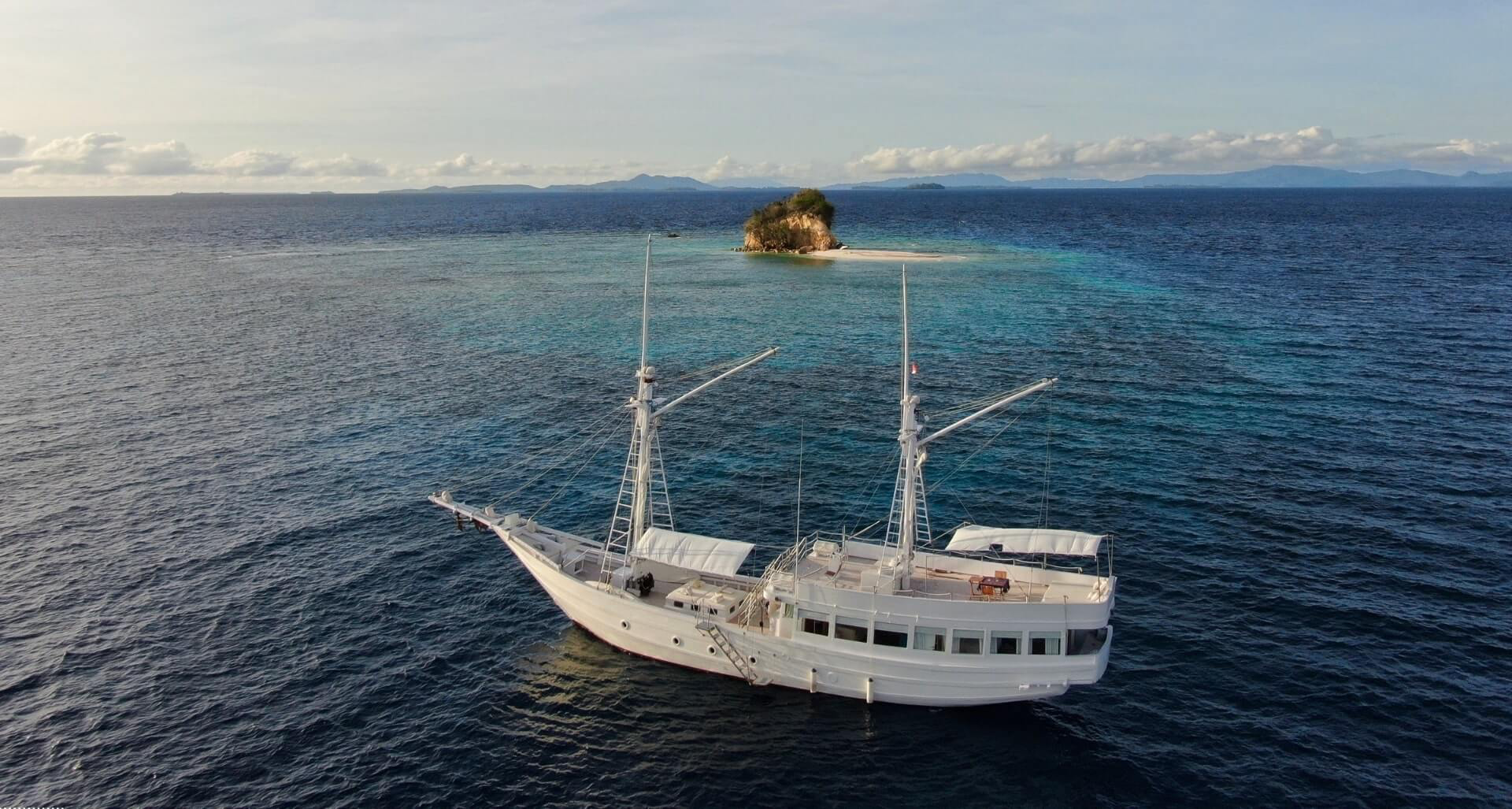
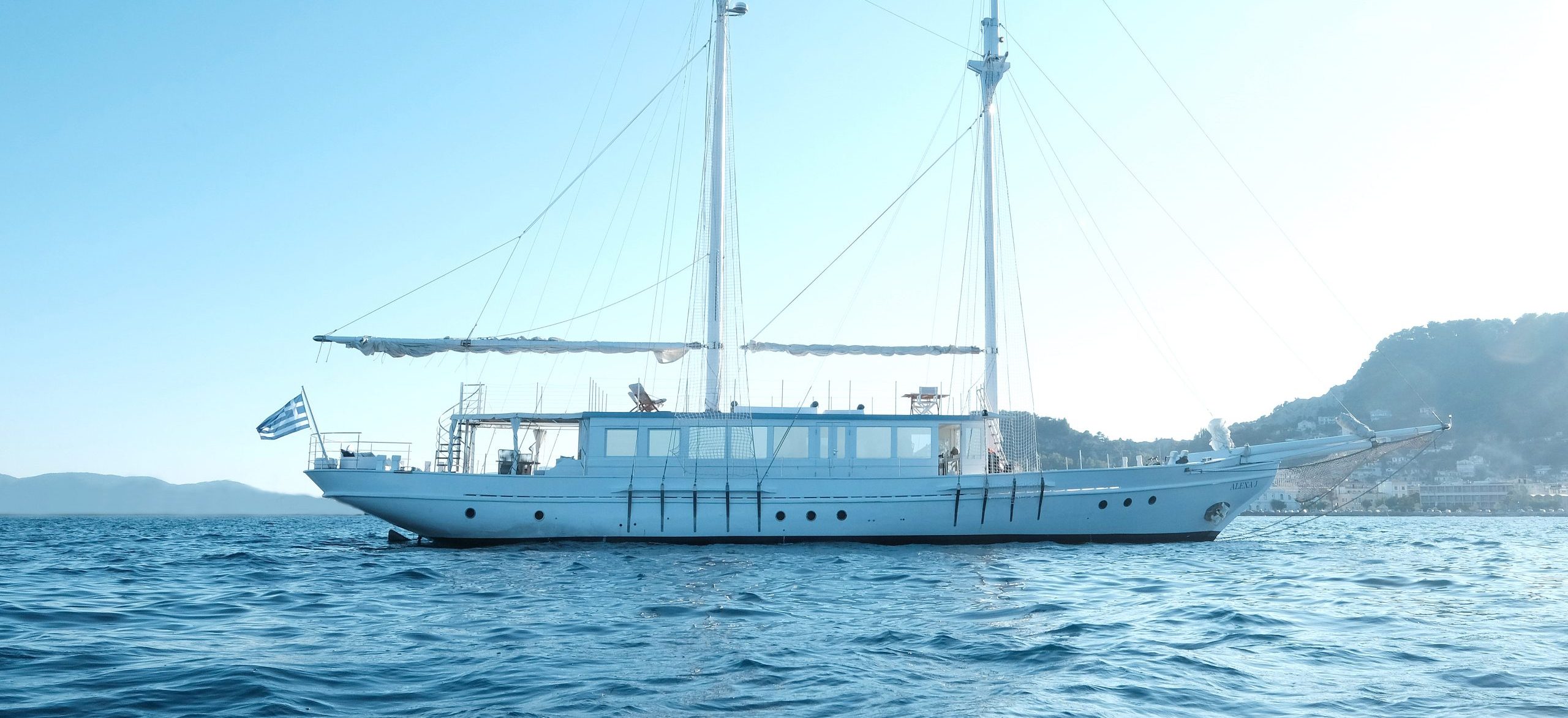
The luxury yacht, ALEXA, is a 31-metre traditional Indonesian phinisi. It features one master suite with wide, 270-degree ocean views. The design blends traditional wooden craftsmanship with modern comfort. Interiors use aged teak wood, Balinese antiques, and simple finishes. Outdoor spaces focus on open decks, shaded daybeds, and time spent outside.
Privacy remains constant throughout the journey.
There are no fixed routes or daily schedules. Plans adjust based on sea conditions and guest preferences.
A dedicated crew supports the trip. It includes a private chef, a dive master operating a licensed PADI dive centre, and a spa therapist offering on-deck treatments.
Travelling with ALEXA feels calm and private. Time on the water becomes part of the experience, not just a way to move between islands.
Book your Indonesia luxury yacht charter today.
Komodo National Park – FAQs
April to November is the best time to visit Komodo National Park. Sea conditions are calmer. Visibility for snorkelling and diving is better. July and August are the busiest months. May, June, September, and October offer good weather with fewer crowds.
-
How can visitors reach Komodo National Park?
Visitors reach Komodo National Park through Labuan Bajo, a coastal town on Flores Island. Daily flights connect Labuan Bajo with Bali, Lombok, and Jakarta. From Labuan Bajo, all access to the park happens by boat.
There are no hotels or resorts inside the park. Visitors stay in Labuan Bajo or on boats that operate inside the park. This rule reduces daily foot traffic on the islands and limits permanent construction.
-
Where do visitors stay when visiting Komodo National Park?
Most visitors stay in Labuan Bajo or on boats that operate within the park. Labuan Bajo offers hotels and guesthouses at different price levels. Boat-based stays allow people to remain inside the park overnight and reduce daily travel time. You can choose between a shared liveaboard, day trip boat or a luxury yacht..
-
Do I need a permit to visit Komodo National Park?
All visitors need a permit to enter Komodo National Park. The park charges entry and activity fees. Starting April 2026, permits will be strictly managed via the SiORA app with a 1,000-visitor daily cap.