
This guide compares Raja Ampat vs Komodo. It is not about which place is better. It helps you choose the experience that fits your time, energy, and travel style.
Raja Ampat and Komodo are two of Indonesia’s most well-known travel and nature destinations.
Both are often described as once-in-a-lifetime trips. Both offer remote islands, rich marine life, and striking scenery. But they offer different travel experiences.
Comparing Raja Ampat and Komodo
Best Known For
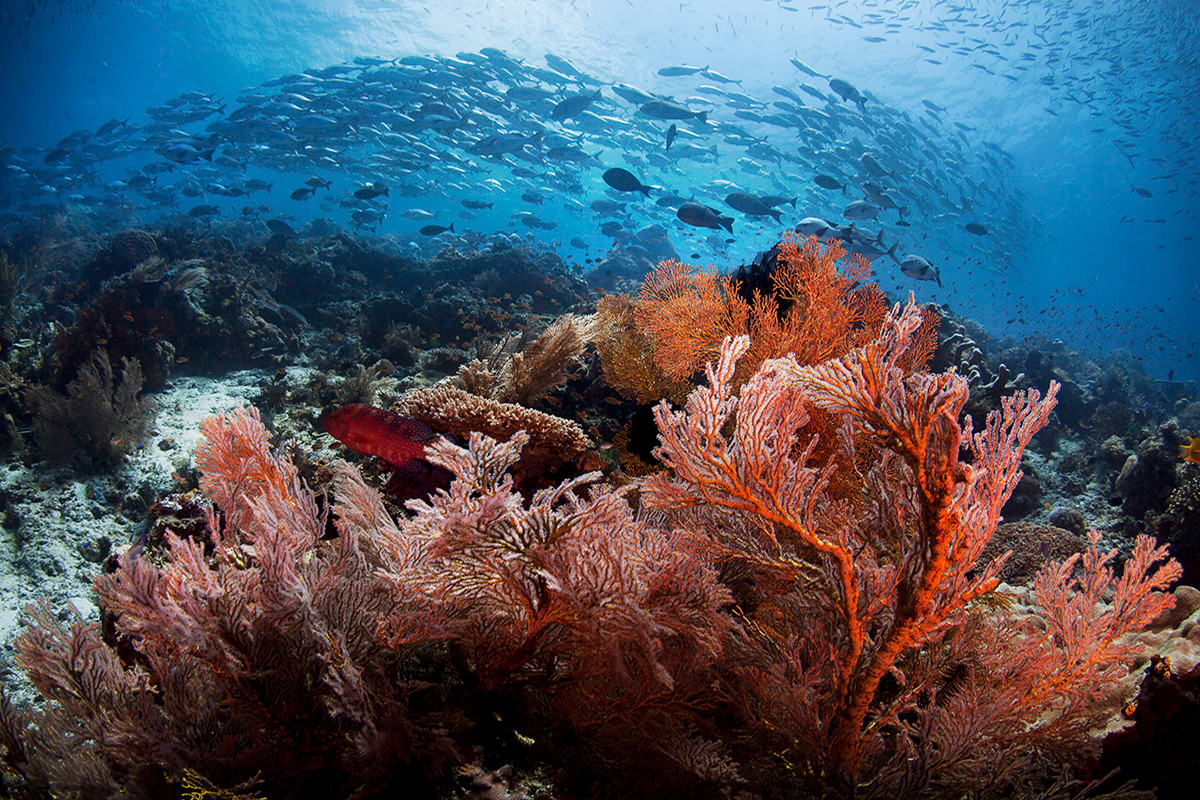
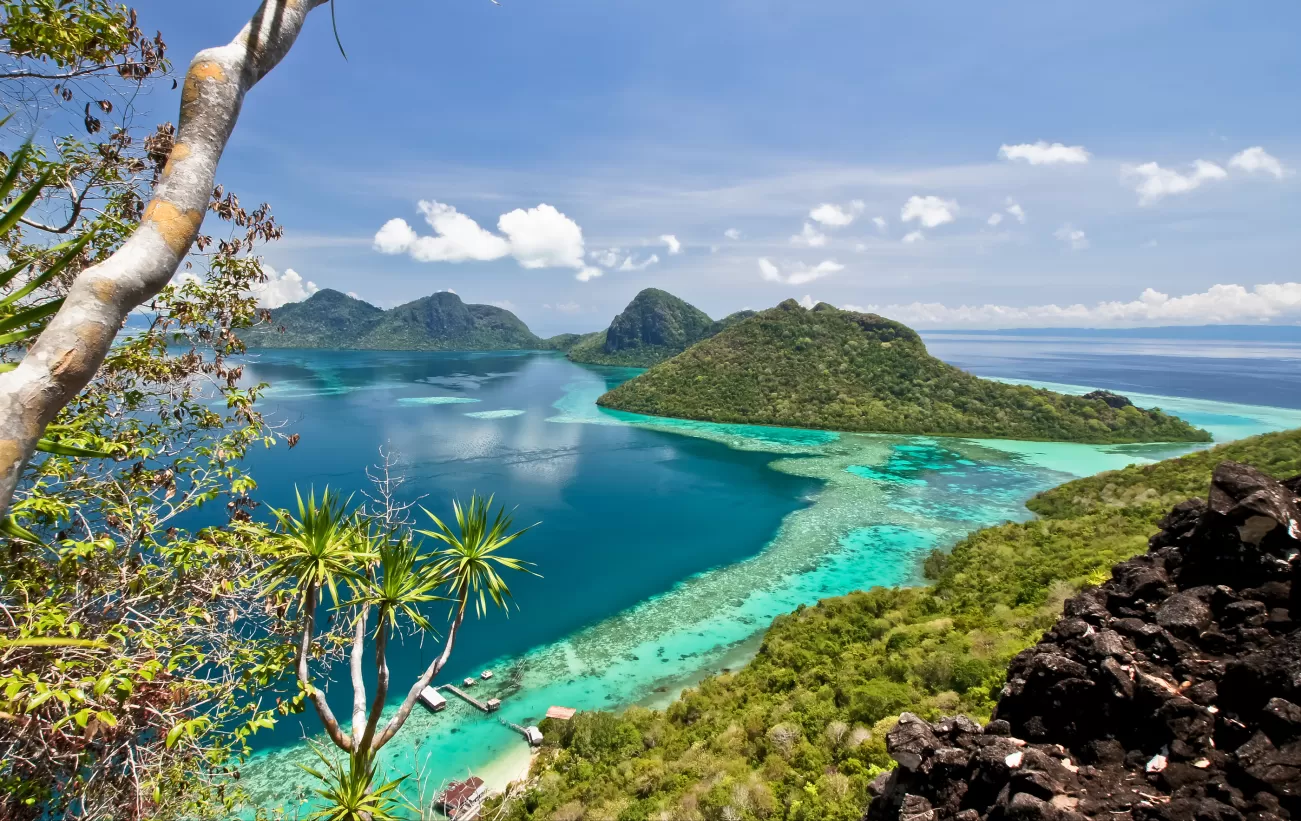
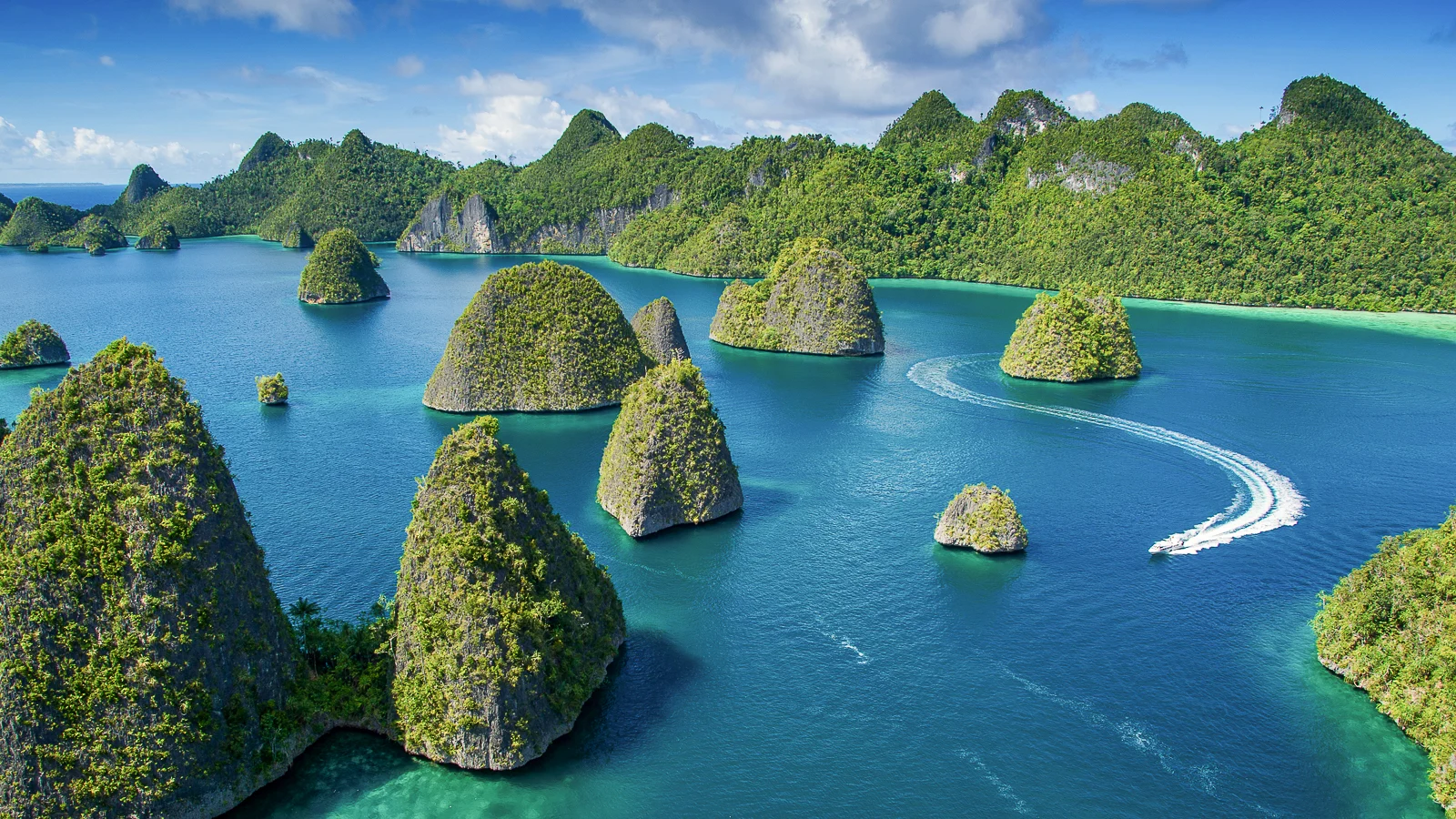
Raja Ampat: Raja Ampat is known for having the highest marine biodiversity in the world. Around 75% of the world’s coral species are found here. It is the ultimate destination for divers. It also has beautiful islands and crystal-clear waters.
Komodo: Komodo is world-famous as the natural habitat of the Komodo dragon, the world’s largest living lizard. It inhabits several islands in the national park. Komodo is also renowned for its pink sand beach and diving opportunities with large marine species.
Best Time to Visit
Raja Ampat: The best time to visit Raja Ampat is from October to April. Seas are calmer, and visibility is better during these months.
Komodo: The best time to visit Komodo is from April to September. Seas are calm. Manta rays are more commonly seen from November to March, even though sea conditions are rougher.
|
For most travellers, the choice between Raja Ampat and Komodo comes down to underwater life and reefs versus land-based highlights and varied landscapes. |
Natural Beauty
Raja Ampat:
Raja Ampat is a chain of 1,500 jungle-covered islands with limestone cliffs. The islands are covered in dense rainforest. The archipelago has secluded beaches, secret lagoons and caves accessible by kayak or boat. Sunrises and sunsets colour the sky in vibrant hues.
Raja Ampat is located in the heart of the world’s richest marine area. It has over 600 coral species and 1,500 fish species. The waters are crystal clear. They offer exceptional visibility for divers and snorkelers of all levels.
Most days here are spent moving between islands, lagoons, and sheltered waters.
Komodo:
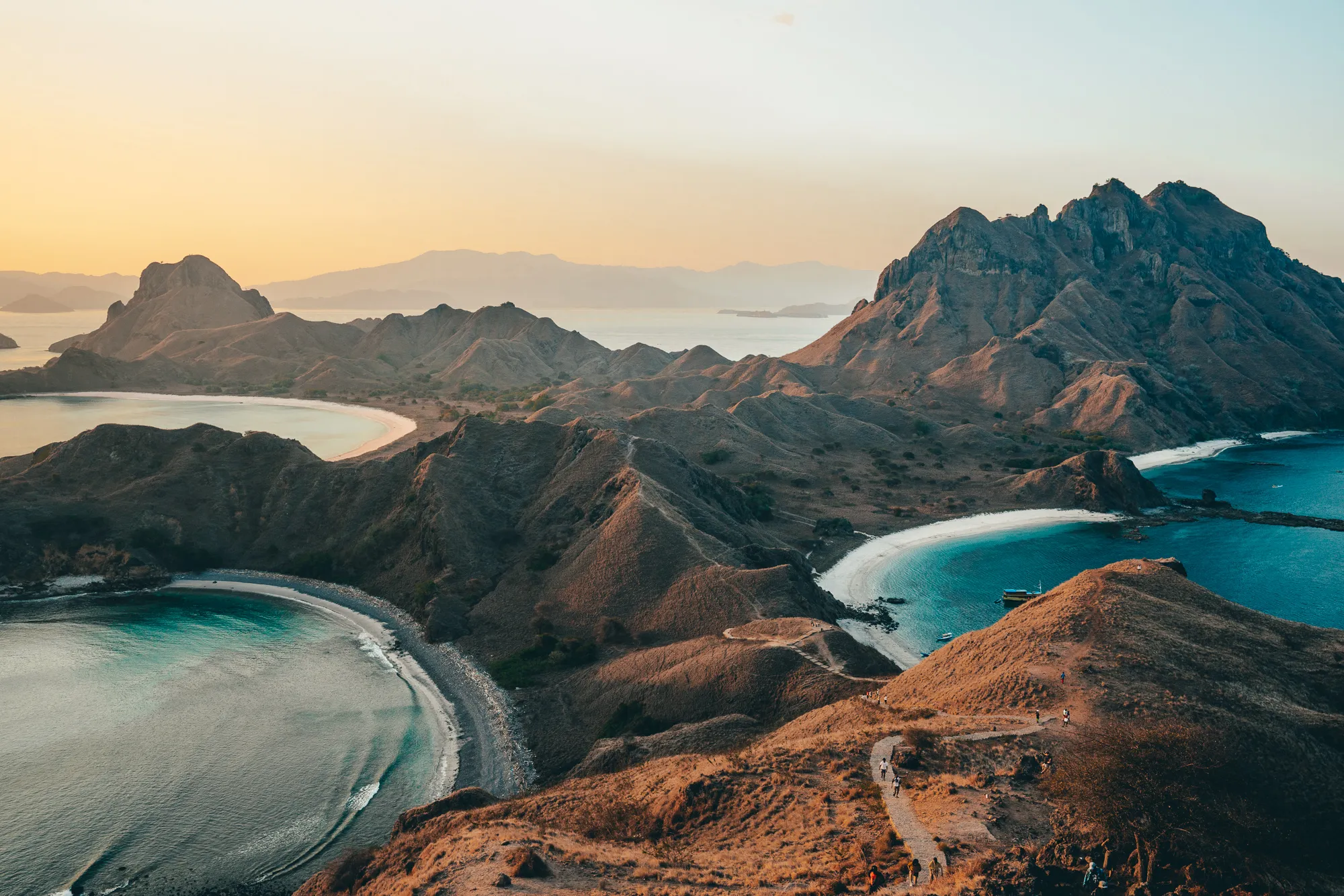
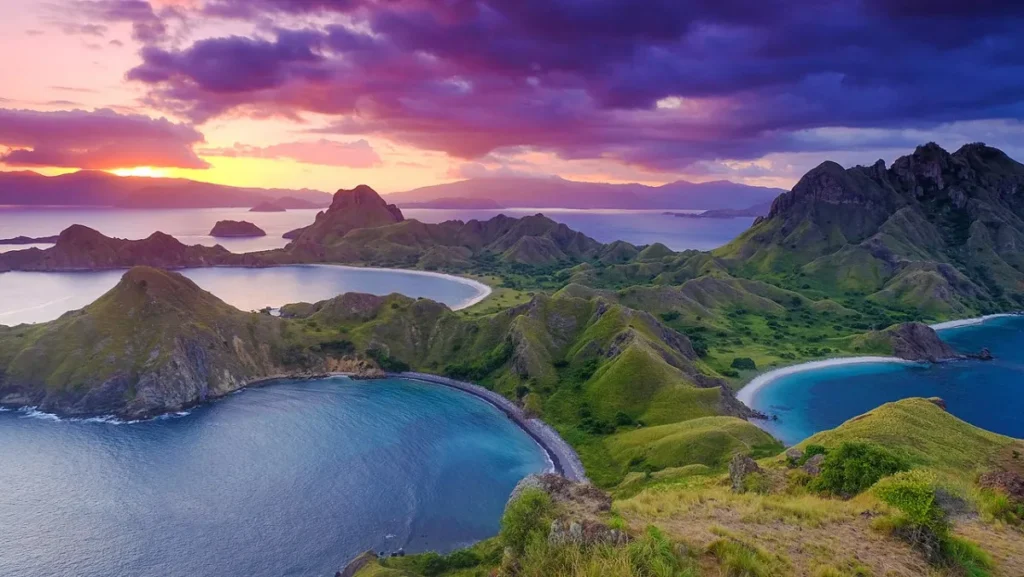
Komodo has rolling, dry hills covered in grass and scattered trees. They resemble African landscapes and offer expansive views. Patches of tropical deciduous and monsoon forests add lushness to the arid environment.
Komodo is part of the world’s richest marine ecosystem. Certain sites, like Batu Bolong, have dense coral formations shaped by strong currents.
Most days here feel more open, with wide views, exposed seas, and rugged landforms.
Diving Experience
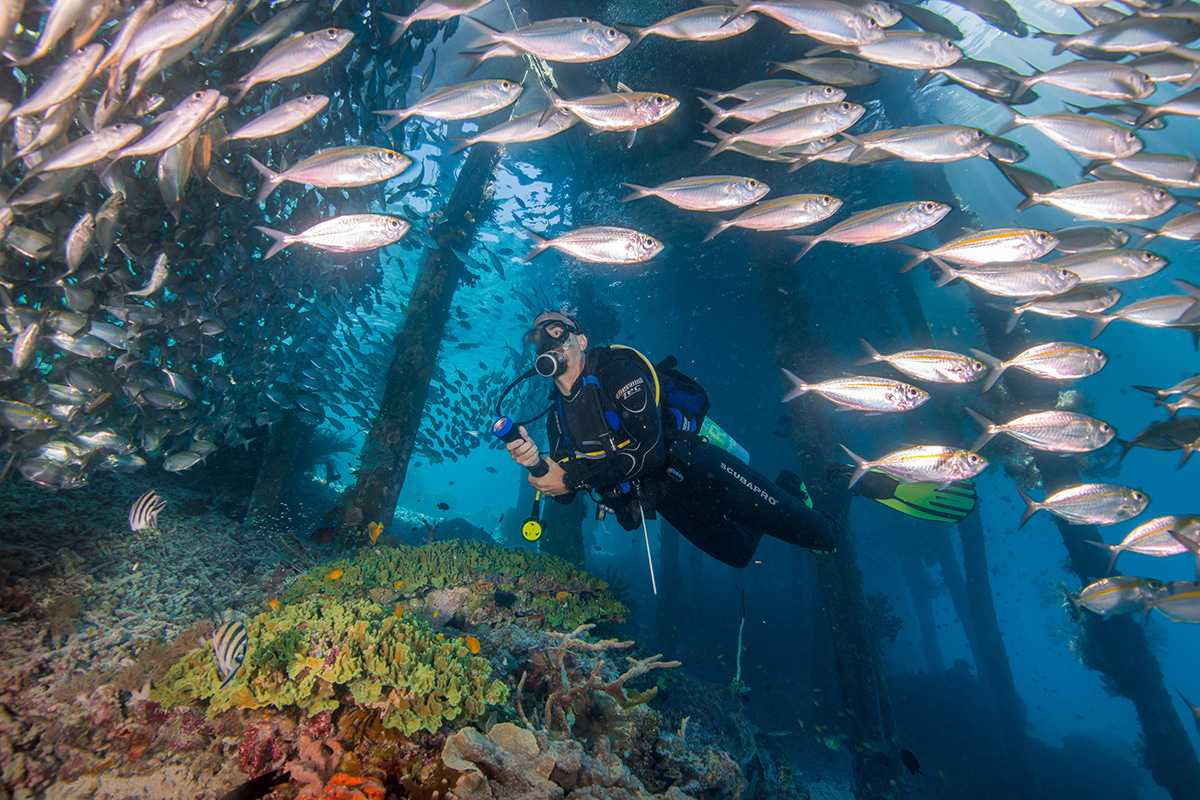
Raja Ampat: The reefs are dense and mostly covered with living coral. You do not have to chase marine life or move much to see things. The water is usually calm. So, dives feel slow and easy. Raja Ampat is good for divers who like to spend time observing reefs rather than looking for big animals.
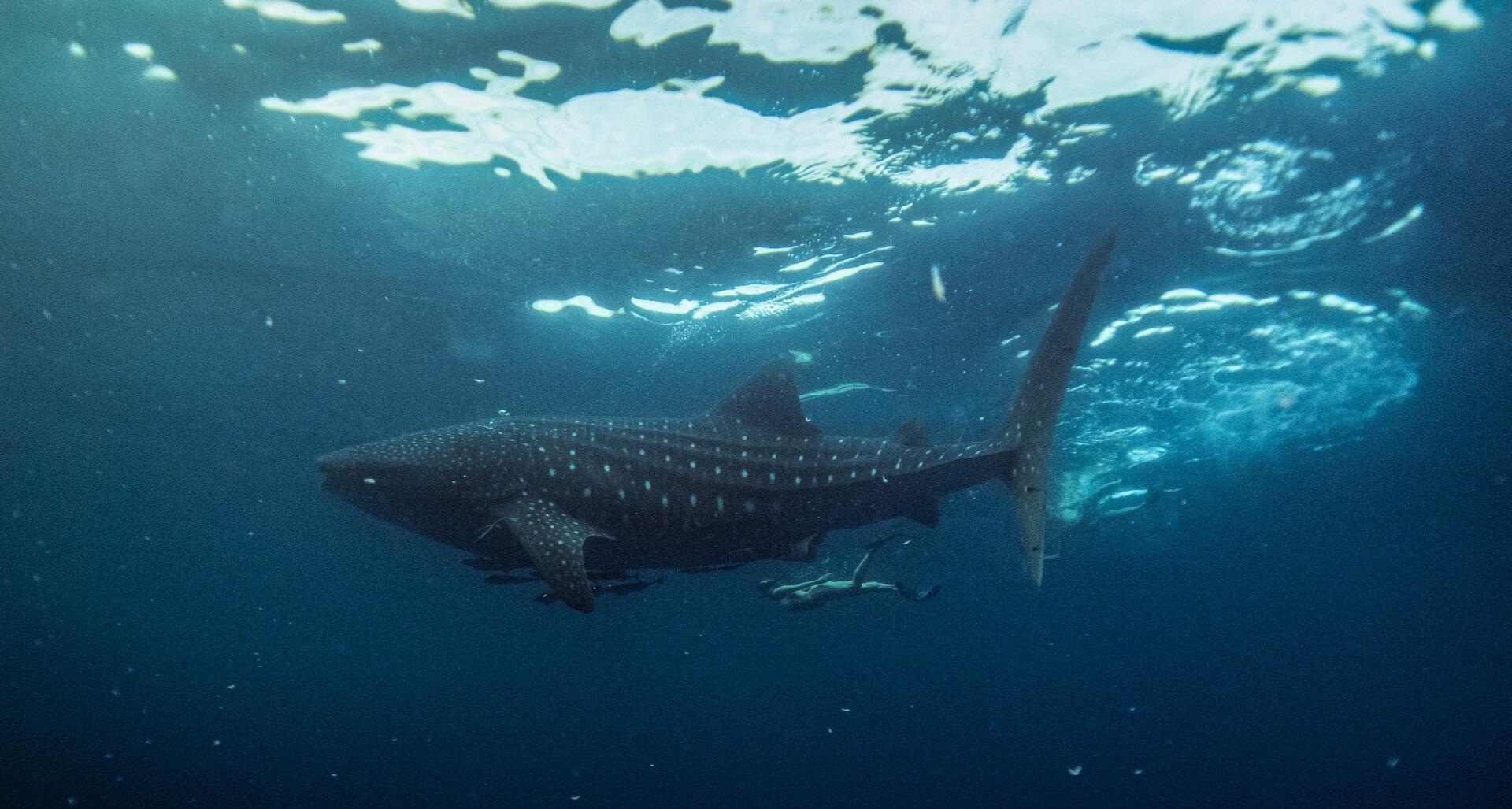
Komodo: Coral reefs exist here, but they are not the main highlight. Most dives focus on seeing large marine animals. You usually drift with the current. So, dives feel faster and more physical. Komodo suits divers who enjoy action and want to see big marine life, even if the dives are shorter.
Activities (Beyond Diving)
Raja Ampat:
Activities in Raja Ampat focus on nature, culture, and slow exploration. They include:
- Island hopping to iconic spots like Piaynemo and Wayag. These areas have limestone islands rising out of the sea. You can hike up one of the limestone hills for a jaw-dropping view of karst islands and open water.
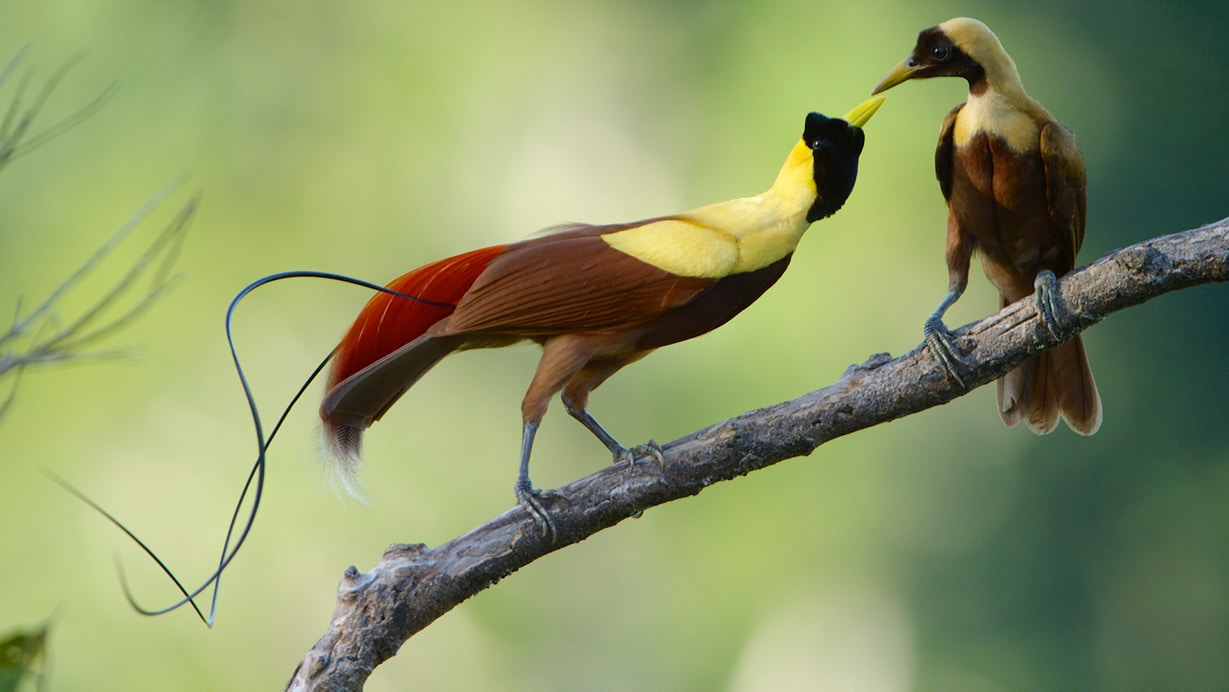
- Birdwatching for Birds-of-Paradise early in the morning with a local guide.
- Kayaking or paddleboarding through calm lagoons.
- Exploring traditional fishing villages. You see homes, small local shops and everyday life.
- Relaxing on quiet and empty white-sand beaches.
- Watching sunsets and sunrises from the water or shore.
- Visiting rock art sites to know the region’s early human history.
- Spotting manta rays from the surface while snorkelling or resting near cleaning stations.
- Visiting Pasir Timbul Beach. A temporary sandbar appears at low tide. It is great for swimming, snorkelling, or enjoying the ocean views.
- Exploring Cape Kri and Misool. Cape Kri is known for the most fish species (374) seen in a single dive. Misool is known for its coral reefs and white sand beaches.
- Visiting Jellyfish Lake on Lenmakana Island. Here, you can swim with stingless jellyfish. It is a rare underwater experience.

Komodo:
Activities in Komodo focus on wildlife, viewpoints, and distinct daily highlights. They include:
- Taking a guided trek with a park ranger. This trek usually happens on Komodo Island or Rinca Island.
- Hiking to the top of Padar Island. From this viewpoint, you see three bays with pink, white, and black sand.
- Taking a boat at dusk to Kalong Island. During this experience, thousands of fruit bats fly out from the mangroves toward Flores Island.
- Exploring traditional fishing villages. You see homes, small local shops, and everyday life.
- Seeing coral reefs, fish, sea turtles, and manta rays from the surface at Manta Point and Pink Beach.
- Relaxing on Pink Beach. This spot is excellent for snorkelling.
- Visiting Taka Makassar for swimming and photos. It is a small pinkish-white sandbar surrounded by turquoise water.
- Going to Rangko Cave. This cave has a natural saltwater pool for swimming.
- Visiting Cunca Wulang Waterfall on Flores Island. This waterfall sits inside a jungle canyon.
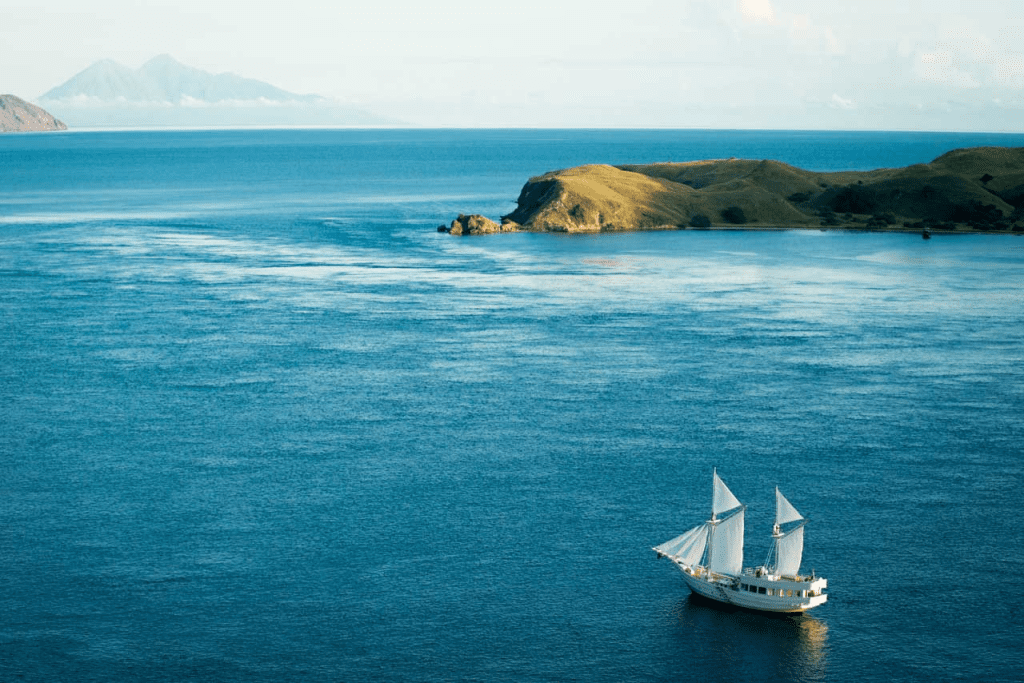
- Embarking on an Indonesian luxury yacht charter around Komodo’s islands.
Ease of Reaching
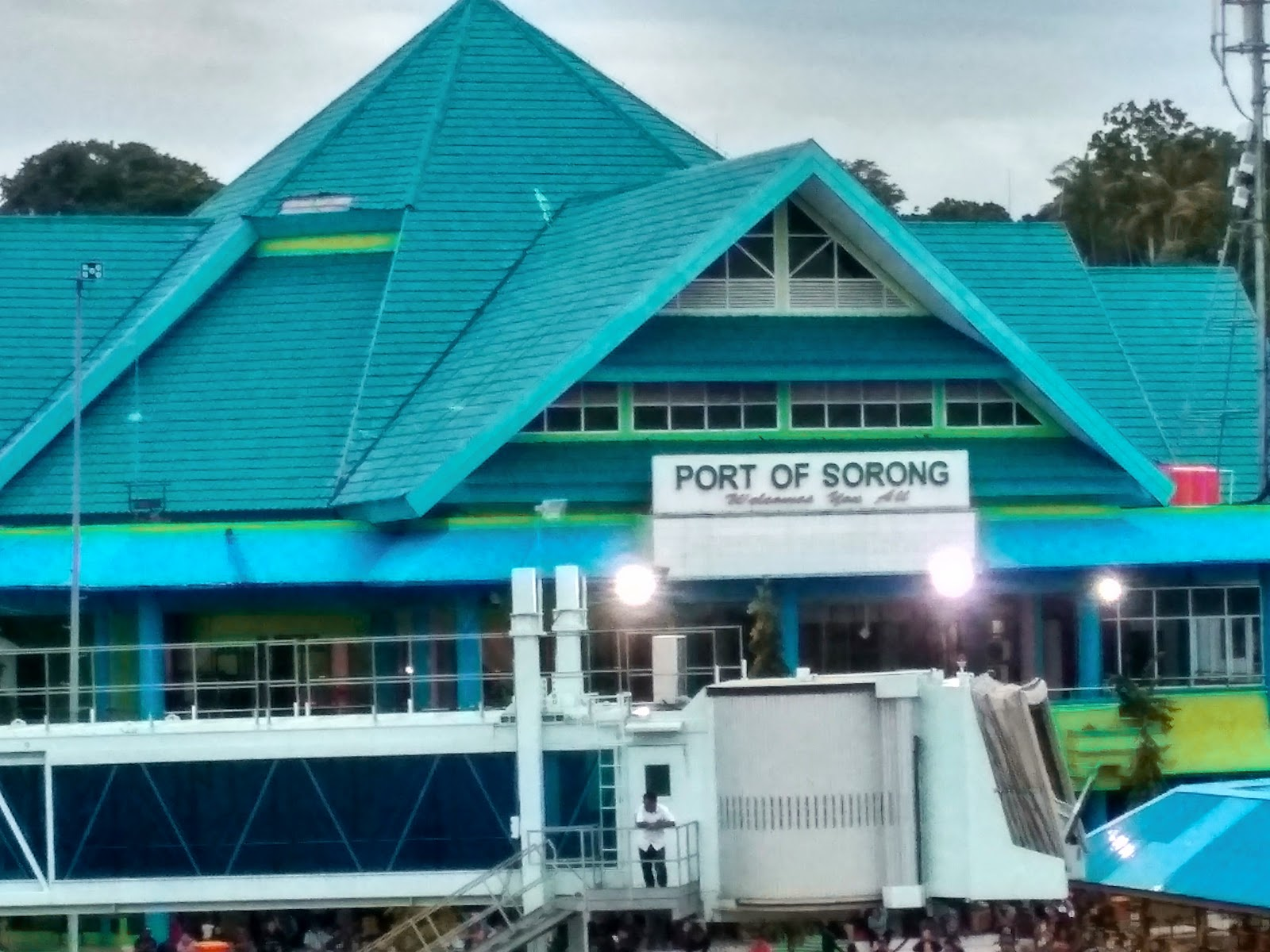
Raja Ampat: Travel to Raja Ampat involves many flights and ground/sea transfers. You first fly to a major hub like Jakarta or Makassar. Then you take a domestic flight to Sorong, the main gateway. It is followed by a ferry or speedboat to Waisai. Then you take another boat to your specific island or homestay. There are no direct international flights to Sorong. Travel days are longer, and delays are more common.
Komodo: Komodo is easier to reach. There are direct flights from Bali to Labuan Bajo. Boat rides to the islands are short.
Cost of Visit
Raja Ampat: Raja Ampat is significantly more expensive than Komodo. Complex logistics, remote locations, liveaboard, Marine Park Entry Permit and the Raja Ampat Visitor Entry Ticket costs add to the expenses.
Komodo: Komodo costs less than Raja Ampat. It offers diverse accommodation options from hostels to luxury liveaboards. The cost also includes a Komodo National Park entrance ticket.
Who Raja Ampat Suits
Raja Ampat appeals to experienced divers who value reef density, species diversity, and long, slow time underwater.
Who Komodo Suits
Komodo suits travellers who want variety across a short trip. Days here include seeing the Komodo dragon, land walks, viewpoints, and diving or snorkelling.
Experience a Luxury Yacht in Komodo With ALEXA Private Cruises
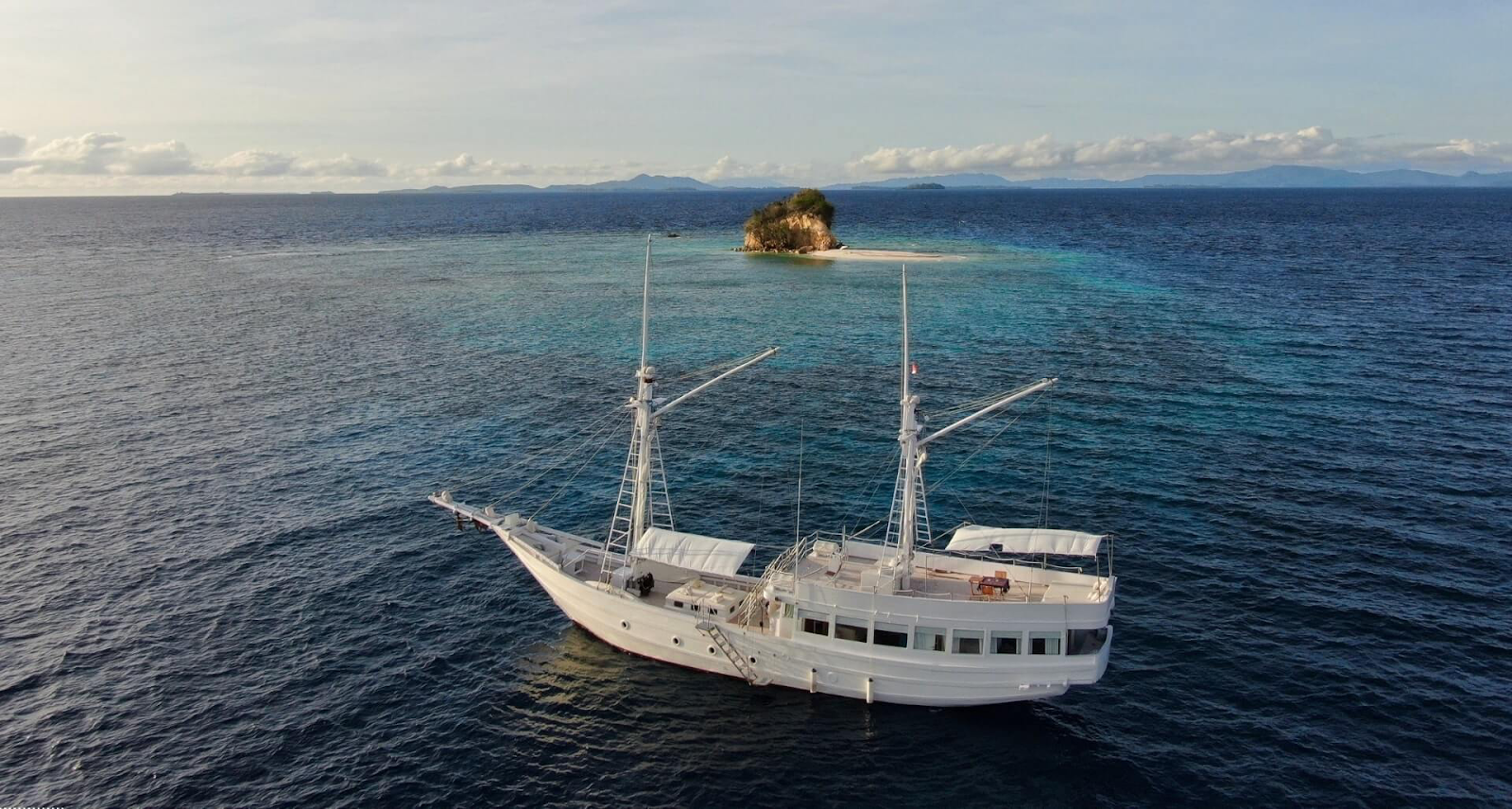
For travellers considering a private cruise, ALEXA Private Cruises offers the most exclusive way to explore Komodo. Your tour package blends luxury, privacy, adventure, and connection with nature.
With our Komodo luxury yacht charter, you wake up near iconic sites and have access to tourist attractions exclusively.
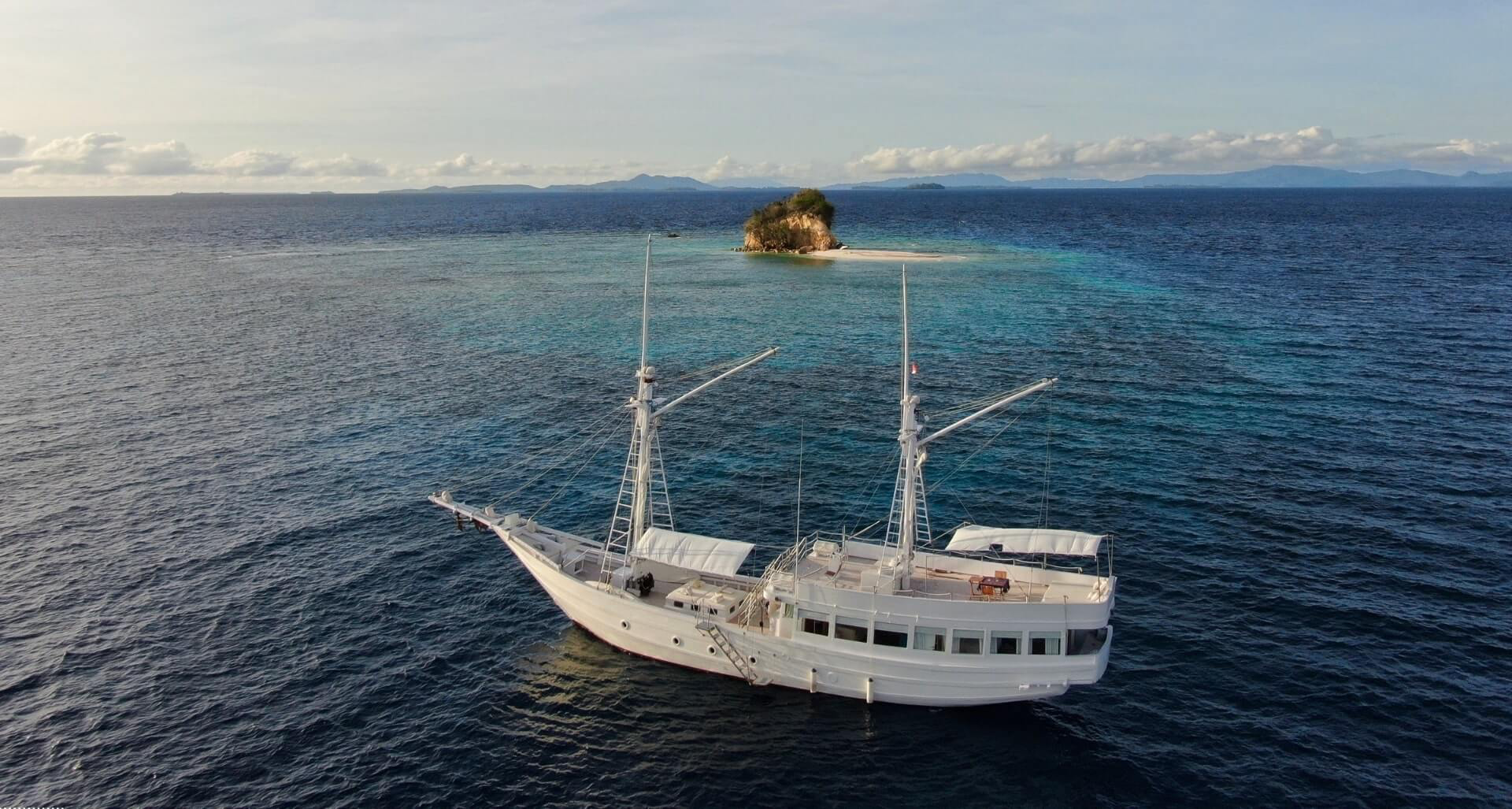
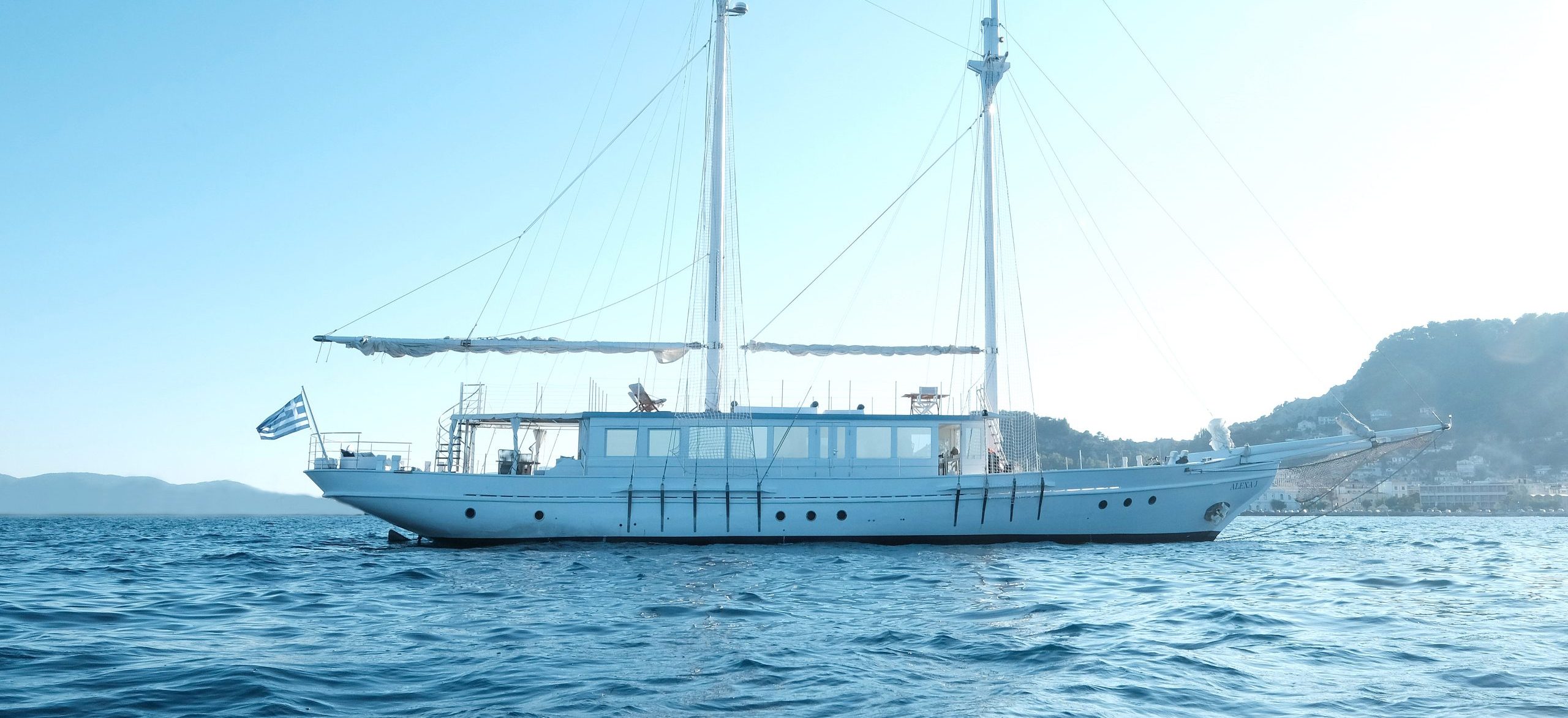
You sail aboard ALEXA. It is a handcrafted 31-metre phinisi designed for two. It offers all the comforts of a five-star stay.
The crew ensures every aspect of your voyage is personalised, right from meals to diving excursions. The cruise director has intimate knowledge of the region and a deep connection to Indonesia’s culture. They bring a rare, personal perspective to every journey.Book your Komodo Island yacht charter with ALEXA Private Cruises.